

The Marcus Garvey Reading Challenge
Week Two: Biographies

History gives us the events. Biography introduces us to the people who had to live through them.
Last week, we started the Marcus Garvey Reading Challenge with history. This week, we move into our second category: biographies.
I am Richard A. Ryles, a personal injury attorney for my people in Florida and a source for book recommendations and history for my people everywhere.
Biographies are important because history does not move by itself. People move it.
People build institutions. People challenge systems. People make mistakes, take risks, organize movements, build businesses and decide whether they are willing to sacrifice something for the generations coming behind them.
A good biography allows us to see more than the final accomplishment. It shows us the decisions, opposition, contradictions and circumstances that shaped the person.
This is especially important for Black history and culture because our people are too often presented as symbols instead of complete human beings. We hear the speech, but not what happened before the person reached the podium. We celebrate the victory, but do not study the years of preparation, strategy and failure that made the victory possible.
Biography puts the humanity back into history.
It reminds us that the people we admire were not born as monuments. They became who they were through choices.
Here are my recommendations for Week Two.
Crossroads: A Memoir in Baseball and Life by Dusty Baker
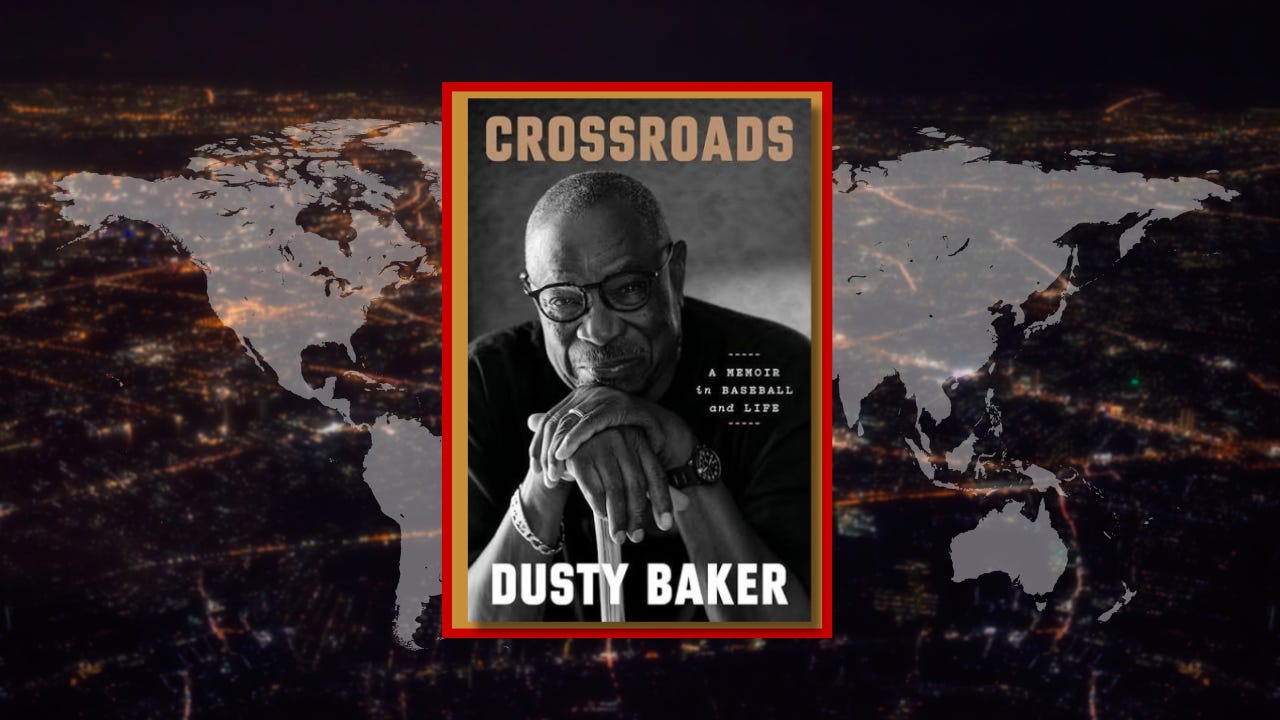
If you really want to understand what happened behind the scenes in Major League Baseball, and why Black Americans are no longer as visible a part of the baseball story, read this book by my godfather, Dusty Baker.
Dusty did not watch baseball history from the outside. He lived it. He played alongside legends, learned under men such as Hank Aaron, became a respected manager and experienced the changing relationship between Major League Baseball and Black America.
This is a baseball book, but it is also a book about leadership, mentorship, race, perseverance and learning how to make the right decision when life brings you to a crossroads.
Why Should White Guys Have All the Fun? by Reginald F. Lewis and Blair S. Walker
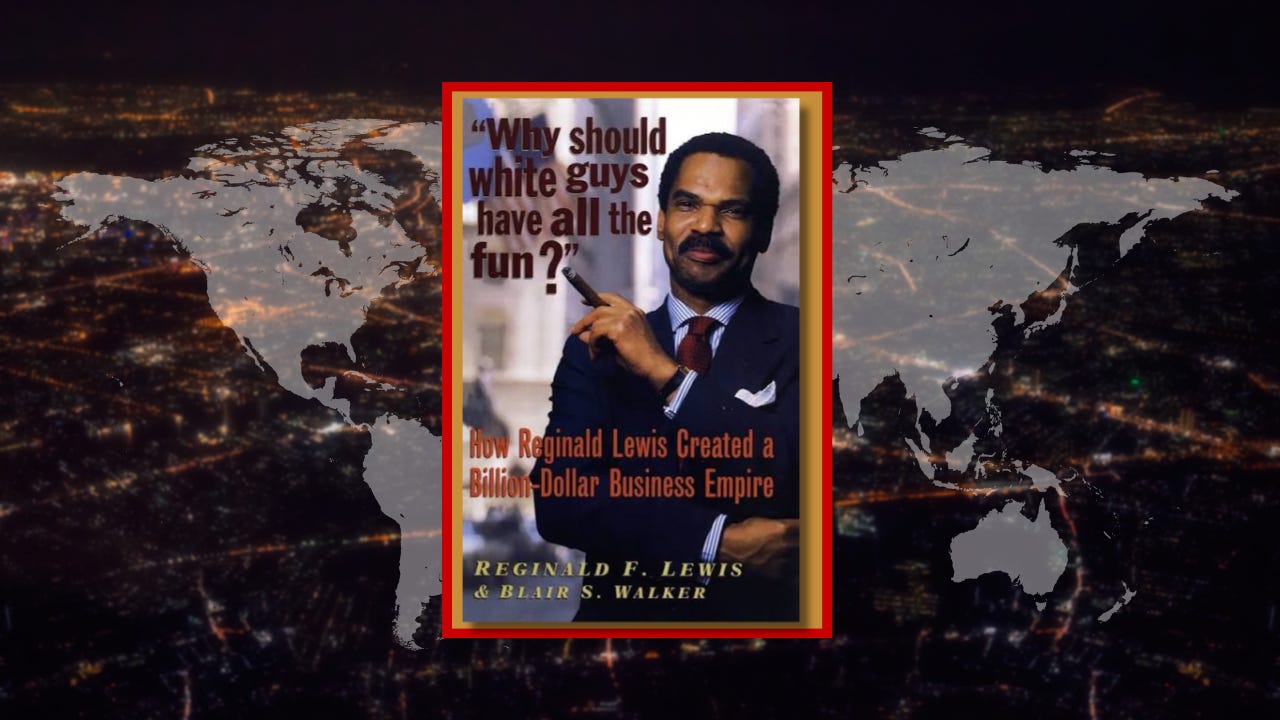
Everybody keeps telling me that I do not recommend enough books about money and finance, so here you go.
Reginald F. Lewis was a lawyer, businessman and Wall Street titan who built a global billion-dollar business empire. This biography follows his journey from Baltimore to Harvard Law School and eventually to the purchase of Beatrice International Foods.
The book shows what confidence looks like when it is supported by preparation. It also shows the importance of legal knowledge, access to capital, strategic thinking and being willing to enter rooms where nobody expects to see you.
We need to study Black wealth. Not just to count somebody else’s money, but to understand how businesses are acquired, how deals are structured and how economic power is built.
The Immortal Jim Crow: Growing Up Under the System That Still Haunts Us Today by Richard A. Ryles
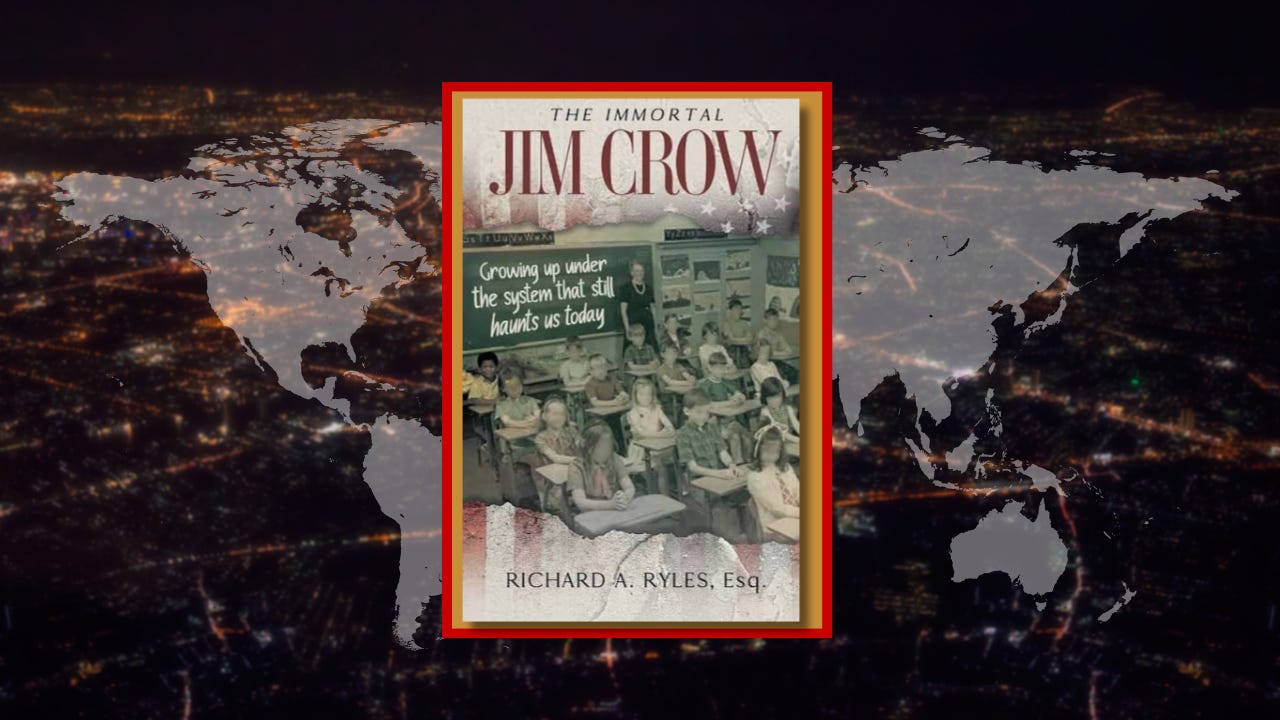
Of course, I am going to recommend my own book.
People like to speak about Jim Crow in the past tense. I do not.
The Immortal Jim Crow explains what it was like to grow up Black in Florida during the late 1960s and early 1970s. It examines the laws, customs, institutions and attitudes that created Jim Crow, and why so many of those conditions did not simply disappear when the laws changed.
This book combines my personal story with the larger history of the system around me. It connects what happened in our neighborhoods, schools and courtrooms to the racial structure that continues to influence America today.
You cannot understand where we are until you understand what we were raised under.
The Second Emancipation: Nkrumah, Pan-Africanism, and Global Blackness at High Tide by Howard W. French
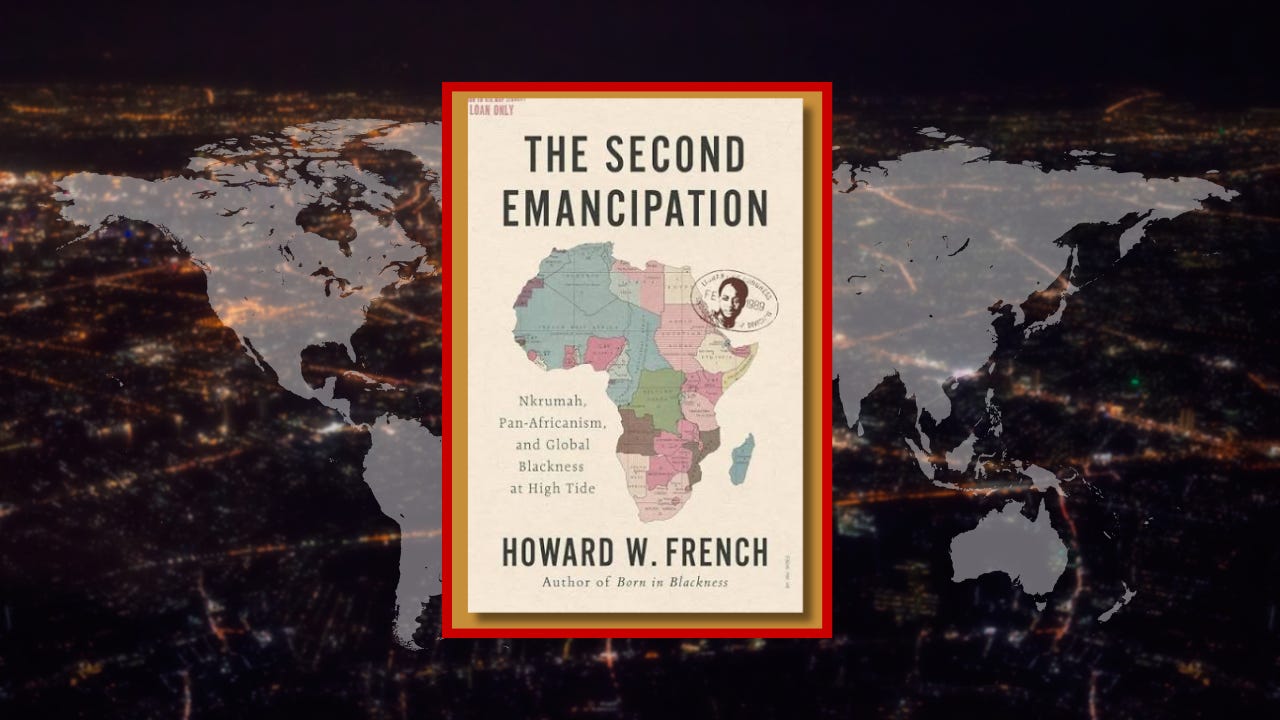
I have covered this book numerous times, but it deserves another recommendation.
Howard W. French gives us one of the most complete modern accounts of Kwame Nkrumah and the Pan-African movement in both Africa and the United States.
This is not simply a biography of one Ghanaian leader. It is a book about African independence, colonialism and the international movement that connected Black people across continents. It helps explain the relationship between African liberation and the Black freedom struggle in America.
Too often, we study Black American history as though it developed in isolation. It did not. Our movements have always communicated with, learned from and influenced people throughout the African world.
Mansa Musa and the Empire of Mali by P. James Oliver
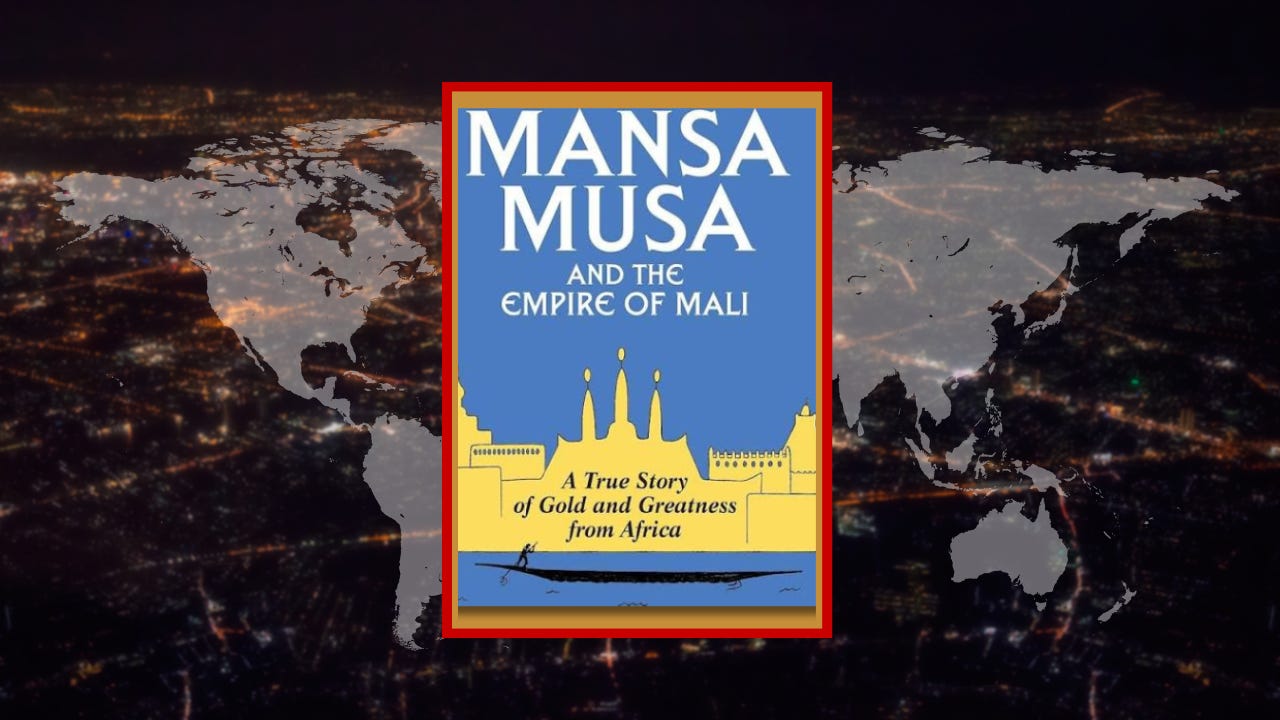
There is an old joke about a man who wrote a check so large that the check did not bounce. The bank did.
Well, Mansa Musa bounced the bank.
P. James Oliver tells the story of Mansa Musa, the emperor who led Mali into its Golden Age. During his reign, Mansa Musa completed a spectacular 9,000-mile pilgrimage with approximately 60,000 people, founded a university in Timbuktu and helped transform architecture across the Sudan.
This book does more than tell us how wealthy Mansa Musa was. It explains the strength, organization and complexity of the Empire of Mali. At its height, Mali was approximately the size of Western Europe. It was a powerful commercial empire with established systems of government, education, trade and culture.
Oliver makes this history easy to follow without stripping it of its importance. The book includes drawings, maps, photographs and a glossary that help readers better understand medieval Mali and the people who lived there.
This is an excellent book for young people and anyone interested in understanding Black people before slavery.
For too many people, Black history begins with slavery.
It does not.
Many of the African ancestors of today’s African Americans came from West Africa, a region that was once home to powerful and prosperous empires. Before our people were placed in chains, we governed nations, controlled trade routes, founded centers of learning and built civilizations.
Our children need to know that history. Adults need to know it too.
We Want Freedom: A Life in the Black Panther Party by Mumia Abu-Jamal
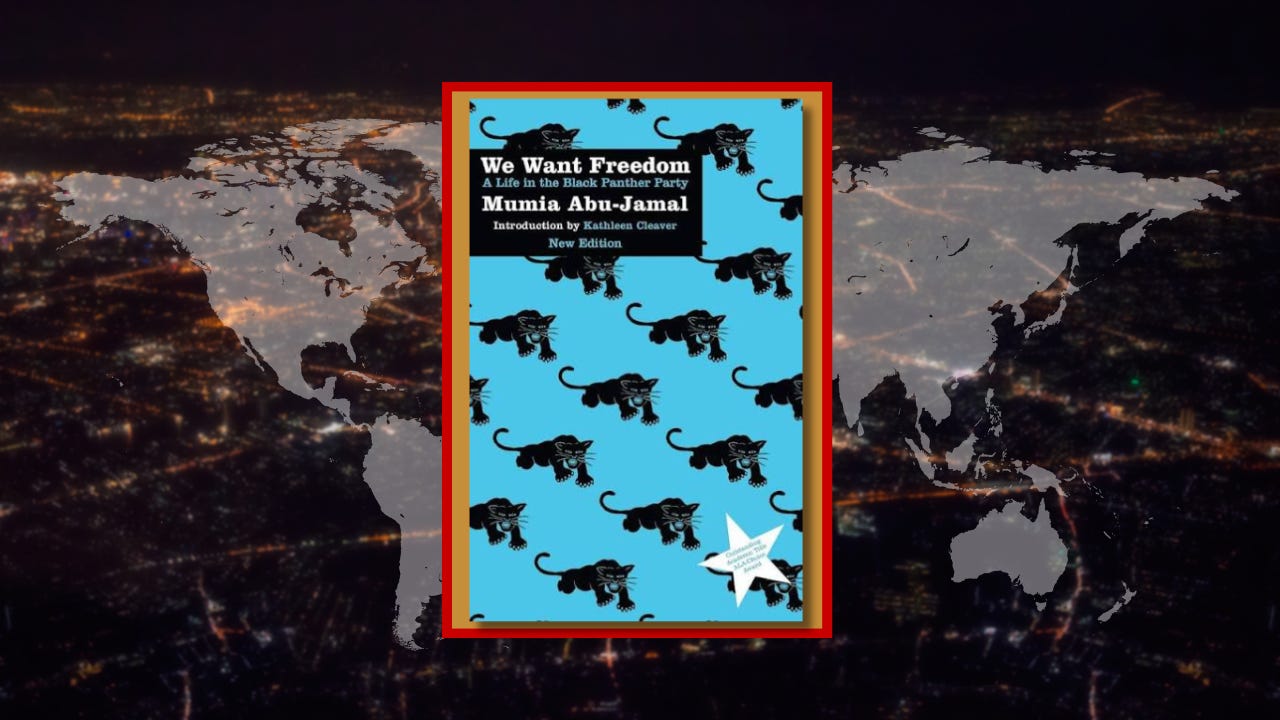
This is an excellent book by a man who gives us a detailed, firsthand understanding of the Black Panther Party and its origins in the United States.
The Panthers are usually reduced to leather jackets, afros and guns. That is what happens when history is stripped of its context.
Mumia Abu-Jamal discusses the political ideas, community work, organizing, internal challenges and government repression surrounding the Party. He helps readers understand why the organization developed and why so many young Black people believed that more direct action was necessary.
You do not have to agree with every decision made by a historical figure or organization to study it seriously. The purpose of reading is to understand before we judge.
Assata: An Autobiography by Assata Shakur
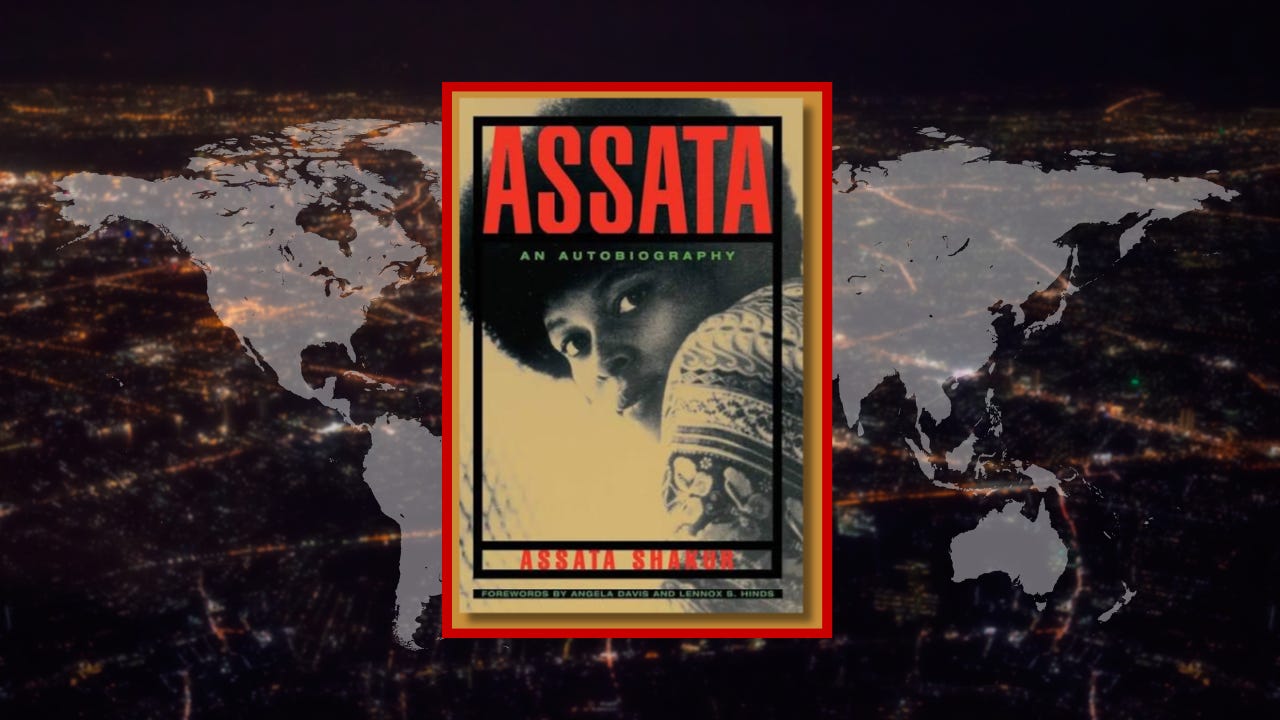
This is the book I am reading this week.
Assata Shakur tells the story of her childhood, her political development, her involvement in the Black liberation movement, her trial, imprisonment, escape and eventual life in Cuba.
What interests me is not only what happened to Assata, but how she explains the experiences that shaped her. Autobiography gives a person the opportunity to tell a story that governments, newspapers and political opponents may have already told for them.
I have heard excellent things about this book, and I am looking forward to reading it for myself.
Your Assignment
You do not have to read all seven books.
Choose one.
One biography. One life. One week.
Read closely. Take notes. Pay attention to the decisions the person made, the system that surrounded them and the lessons their life offers us today.
Then comment with the name of the book you selected.
Do not comment that you are “thinking about” joining the challenge.
Name the book.
We are not reading simply to say that we finished. We are reading to become more difficult to deceive. We are reading so that the names, experiences and strategies of our people are not forgotten.
Every day that you do not learn something new is a wasted day.
Let us get to work.
Hey everyone we are finishing up week 2 Biographies I’m reading Wishing on the Moon the Life and Times of Billie Holiday. Excellent book so far i didn’t know her birth name was Eleanora Fagan. The book is very descriptive and provides in depth historical insight beyond music.
I am reading We Want Freedom: A Life in the Black Panther Party by Mumia Abu-Jamal for week 2