

The Marcus Garvey Reading Challenge
One Book a Week

History builds identity. Biography teaches leadership. Science builds infrastructure. Philosophy creates ideology.
There is a difference between gathering information and educating yourself.
Information passes through your mind. Education changes how you think, how you make decisions, how you raise your children, how you conduct your business, and how you serve your community.
That is the purpose of the Marcus Garvey Reading Challenge.
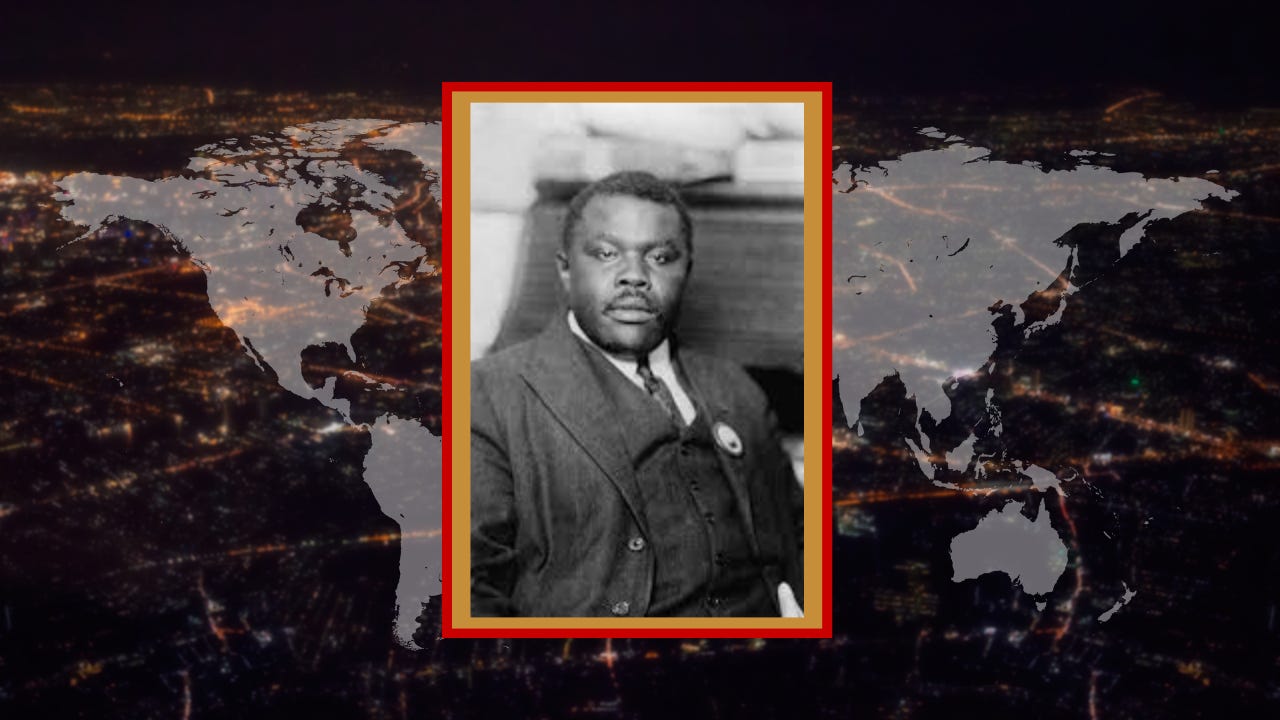
Marcus Garvey instructed our people to use their spare time wisely and to read at least one book every week. His calculation was simple: one book a week produces 52 completed books in one year and more than 250 books in five years. That level of disciplined study will separate the prepared from the unprepared and the informed from the easily misled.
Let me be clear: this is not a challenge for people who simply enjoy purchasing books, displaying books or telling others that they intend to read.
This is a challenge for people who are prepared to finish books, examine ideas and strengthen their minds.
The Four Categories
The framework for this challenge is built around four necessary areas of study.
1. History Builds Identity
A people who do not understand their history will eventually accept somebody else’s explanation of who they are.
History teaches us where we came from, what was taken from us, what we built, what we survived and what we are capable of building again. It helps us recognize patterns in politics, education, economics and culture.
When another group controls your historical narrative, they can determine who is called a hero, who is labeled a criminal, whose suffering is remembered and whose accomplishments are erased.
That is why we begin with history. Before you can properly determine where you are going, you must understand where you have been.
2. Biography Teaches Leadership
Biography allows us to study the decisions of men and women who faced pressure, opposition, failure and responsibility.
A serious biography does more than praise a successful person. It shows us the sacrifices behind the accomplishments. It reveals mistakes, weaknesses, strategies and turning points.
Leadership is not learned through slogans. It is learned by examining how leaders behaved when the decision was difficult, the opposition was organized and the consequences were real.
3. Science Builds Infrastructure
No nation is built on emotion alone.
Strong communities require engineers, physicians, researchers, architects, agricultural experts, mathematicians, inventors and technology professionals. Science teaches us how to solve material problems and create systems that improve people’s lives.
We must understand health, energy, transportation, food production, construction, data and technology. A people who consume everything and produce nothing will always remain dependent upon those who control the infrastructure.
4. Philosophy Creates Ideology
Philosophy teaches us how to examine truth, morality, justice, power, responsibility and human purpose.
Every institution operates according to a philosophy, whether its members recognize it or not. Every political system, school, business and family structure is built upon ideas about how people should live and what they should value.
Without a philosophy, we merely react to whatever happens around us. With a sound philosophy, we can establish principles, judge competing ideas and move with direction.
History gives us identity. Biography gives us examples of leadership. Science gives us the ability to build. Philosophy gives us the ideas that determine what we will build and why.
Put together, these areas of study help develop a strong, disciplined and intelligent Black community.
Why One Book Every Week?
Reading one book a week requires structure.
You must select your book, establish a daily reading schedule and protect that time. You cannot wait until you “feel like” reading. Serious people do not allow every mood, television program, social-media argument or unnecessary conversation to control their schedule.
The objective is not to rush carelessly through a book. The objective is to develop the discipline to engage with a complete argument every week.
Take notes. Underline important passages. Look up unfamiliar names and words. Question the author. Compare the author’s claims with other sources. At the end of the week, you should be able to explain what the book taught you and whether you agree with its conclusions.
We are not reading simply to say that we finished.
We are reading to become more difficult to deceive.
This Week’s Category: History
Our first assignment is a history book.
You may select any credible history book that challenges you and increases your understanding. Below are the books recommended in the video as possible selections.
The Message by Ta-Nehisi Coates
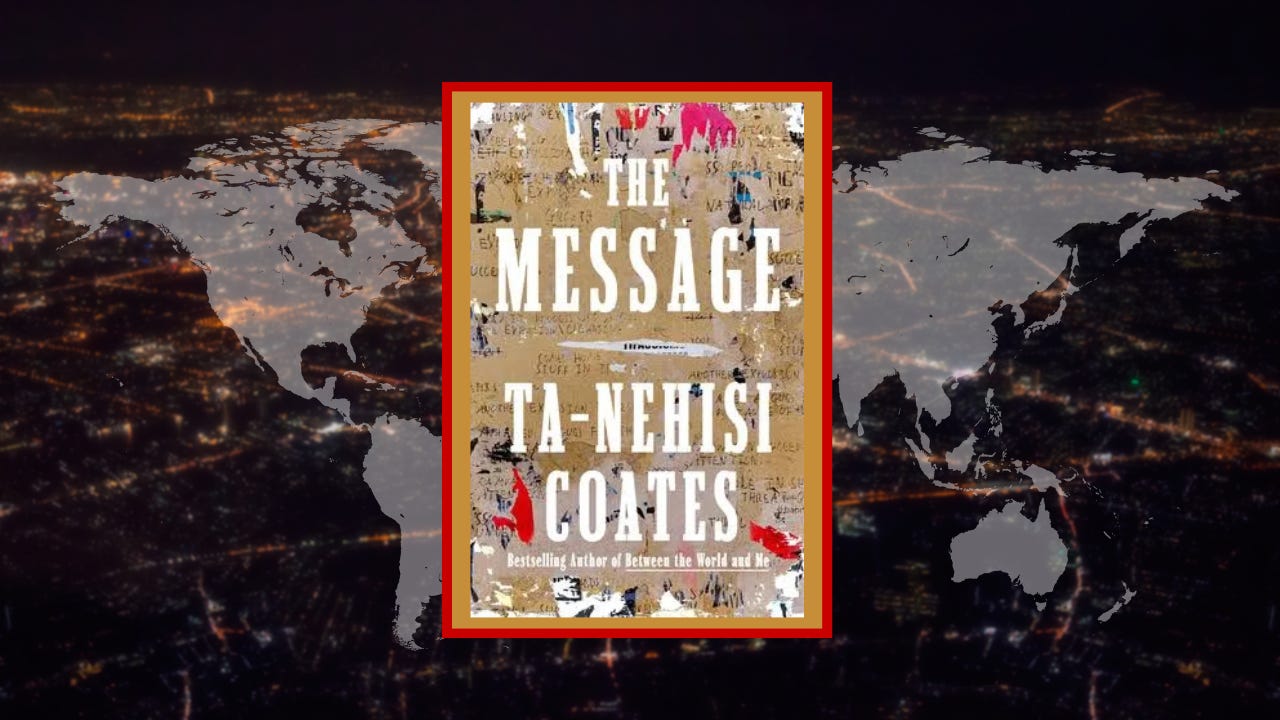
Coates examines how the stories societies tell—and the stories they refuse to tell—shape public understanding and political reality. This is a strong selection for readers interested in historical narrative, memory, conflict and the power of writers to either confront or reinforce national myths.
The Souls of Black Folk by W.E.B. Du Bois
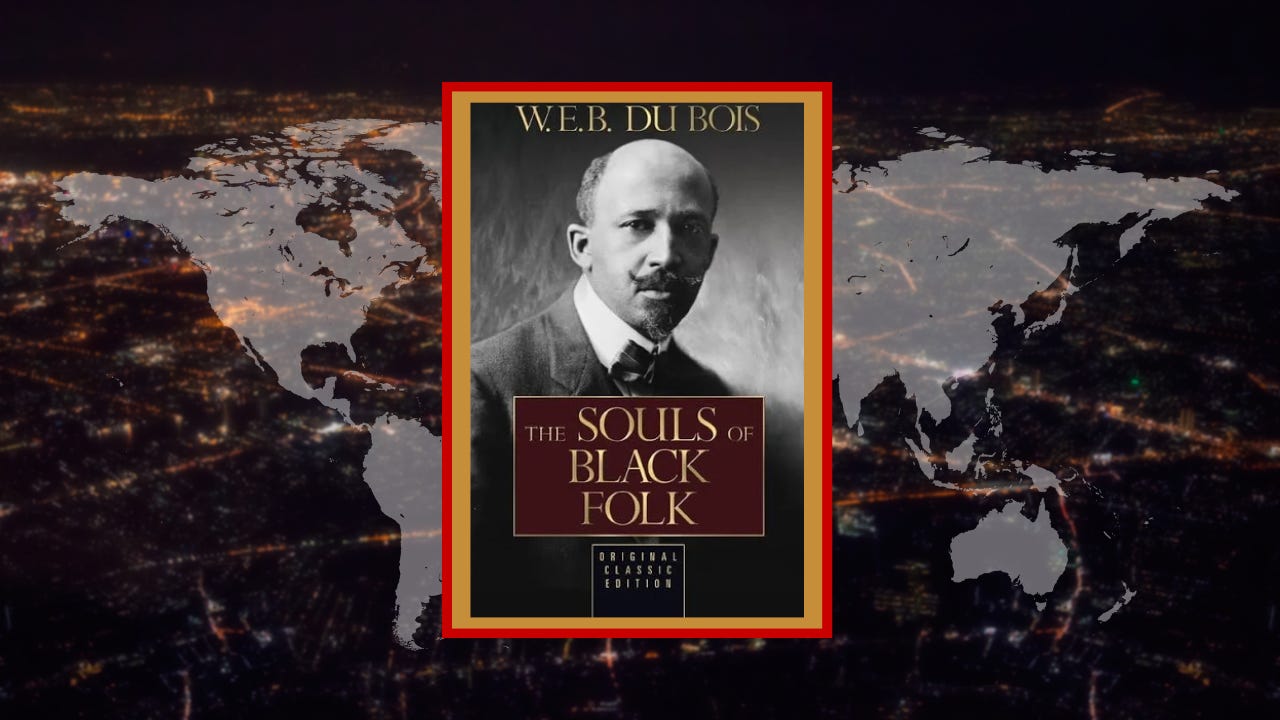
Published in 1903, this foundational collection examines Black life in America and introduces Du Bois’s influential concept of “double consciousness”—the tension of understanding oneself while constantly being forced to view oneself through the judgment of a hostile society.
Black AF History: The Un-Whitewashed Story of America by Michael Harriot
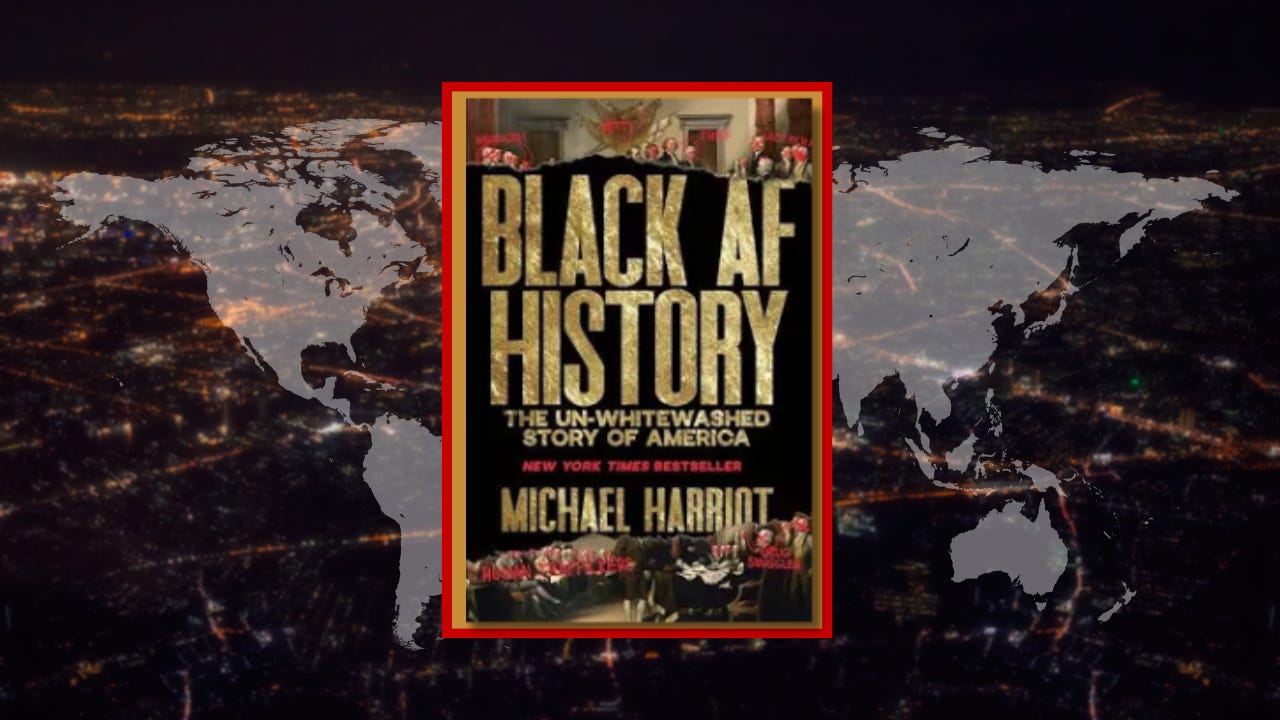
Harriot retells American history by centering the experiences, labor, resistance and contributions of Black Americans. It is an accessible starting point for readers who want to challenge the sanitized version of history commonly taught in schools.
Born in Blackness: Africa, Africans, and the Making of the Modern World, 1471 to the Second World War by Howard W. French
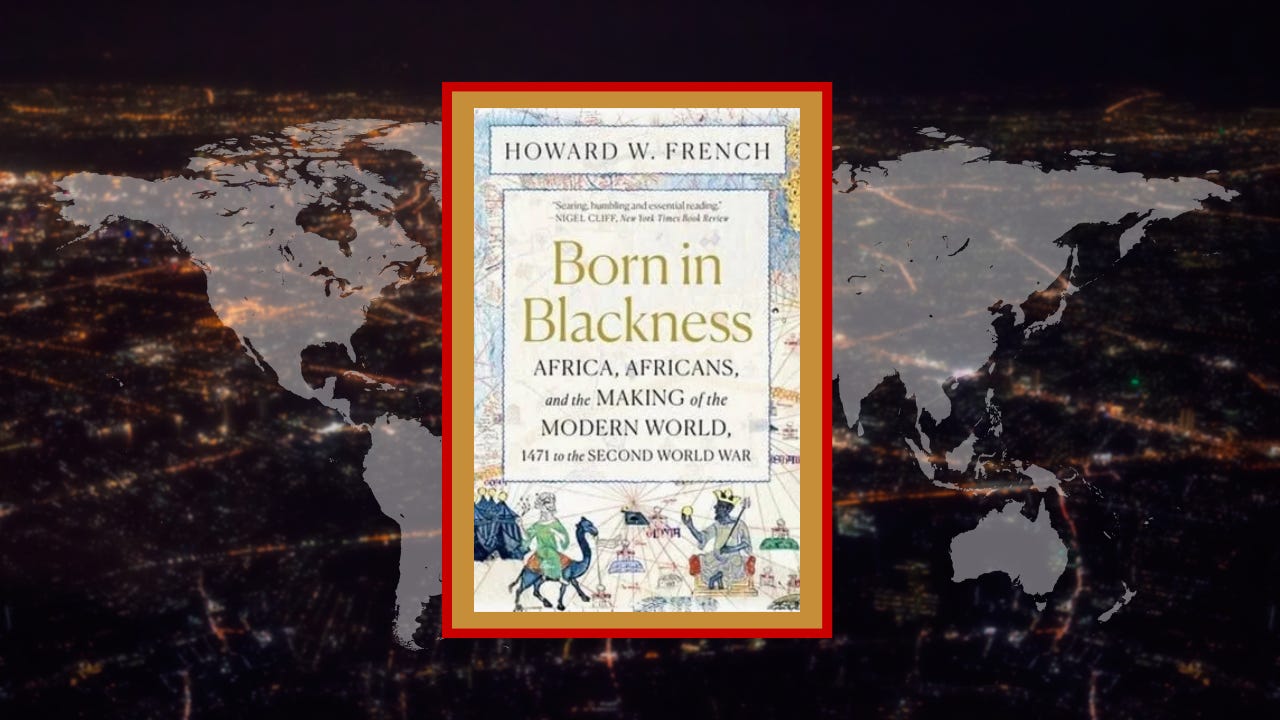
French places Africa and African people at the center of the development of the modern world. The book challenges historical accounts that treat Africa as a passive background to European expansion and instead examines its central role in global trade, labor, wealth and modernity.
The 1619 Project: A New Origin Story by Nikole Hannah-Jones and The New York Times Magazine
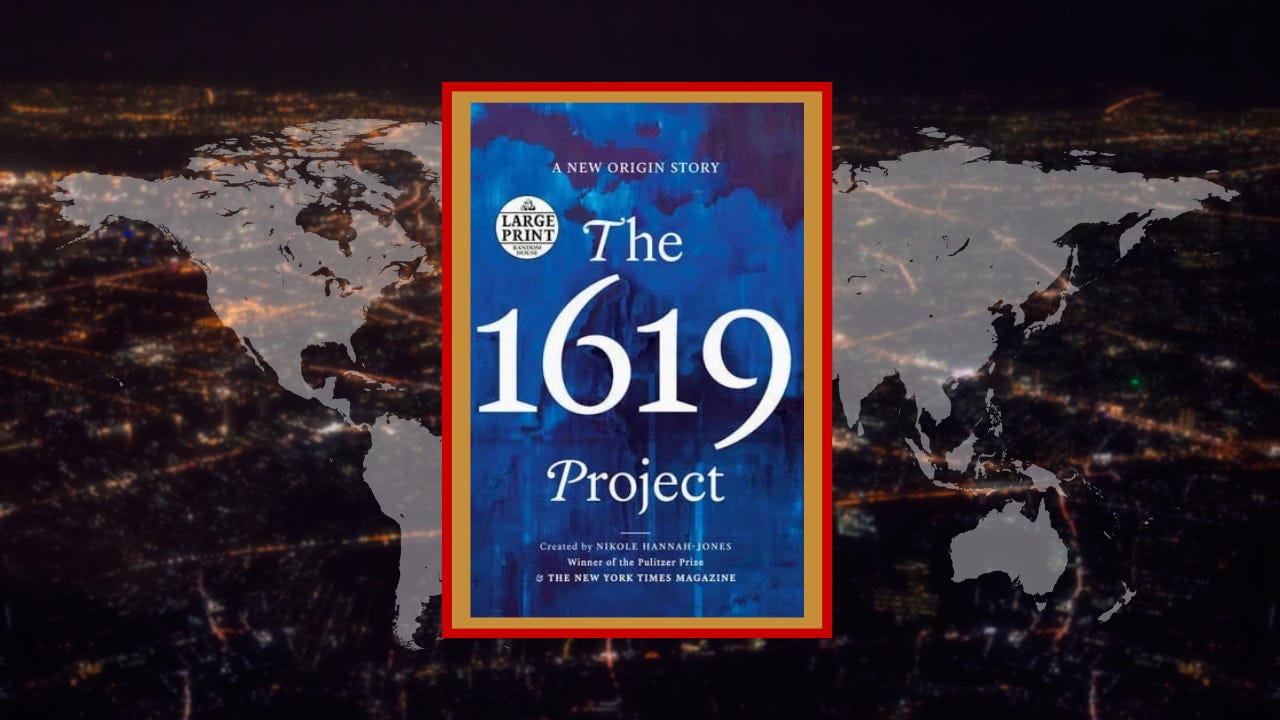
This collection examines the influence of slavery and the contributions of Black Americans on the development of the United States and its institutions. Whether you ultimately agree with every argument or not, serious readers should be capable of examining the evidence, understanding the debate and forming an informed conclusion.
Your Assignment
Choose your history book and comment below with the complete title and the author’s name.
Do not comment that you are “thinking about” joining.
Do not comment that you “need to start reading again.”
Name the book.
Publicly committing to a title establishes accountability. Once you have made your selection, begin reading and complete the assignment.
Our children need to see adults reading. Our communities need people who can identify propaganda, understand historical context and speak from knowledge rather than emotion. Our future requires disciplined minds.
One book this week.
Then another book next week.
Let us get to work.
Brainwashed: Challenging the Myth of Black Inferiority by Tom Burrell
I am reading The Message by Ta-Nehisi Coates