

Jim Crow Never Died
3 ways Jim Crow has impacted my life since 1968

History books will tell you that Jim Crow laws ended in 1968. They point to legislation, court rulings, and milestones as proof that America turned the page. But history does not always live in books. It lives in memory. It lives in experience. And sometimes, it follows you.
As a child in the 1970s, I witnessed something that did not seem unusual at the time but speaks volumes now. Players from the Atlanta Braves would stay at our home in West Palm Beach. They were not there by choice. They were there because they could not stay at the team hotel. These were professional athletes, respected and accomplished, yet still denied access to the same accommodations as their teammates because of their race. Our home became a place of refuge, a substitute for what the system refused to provide. That experience was not just about baseball. It was about exclusion and the ways people were forced to adapt when doors remained closed.
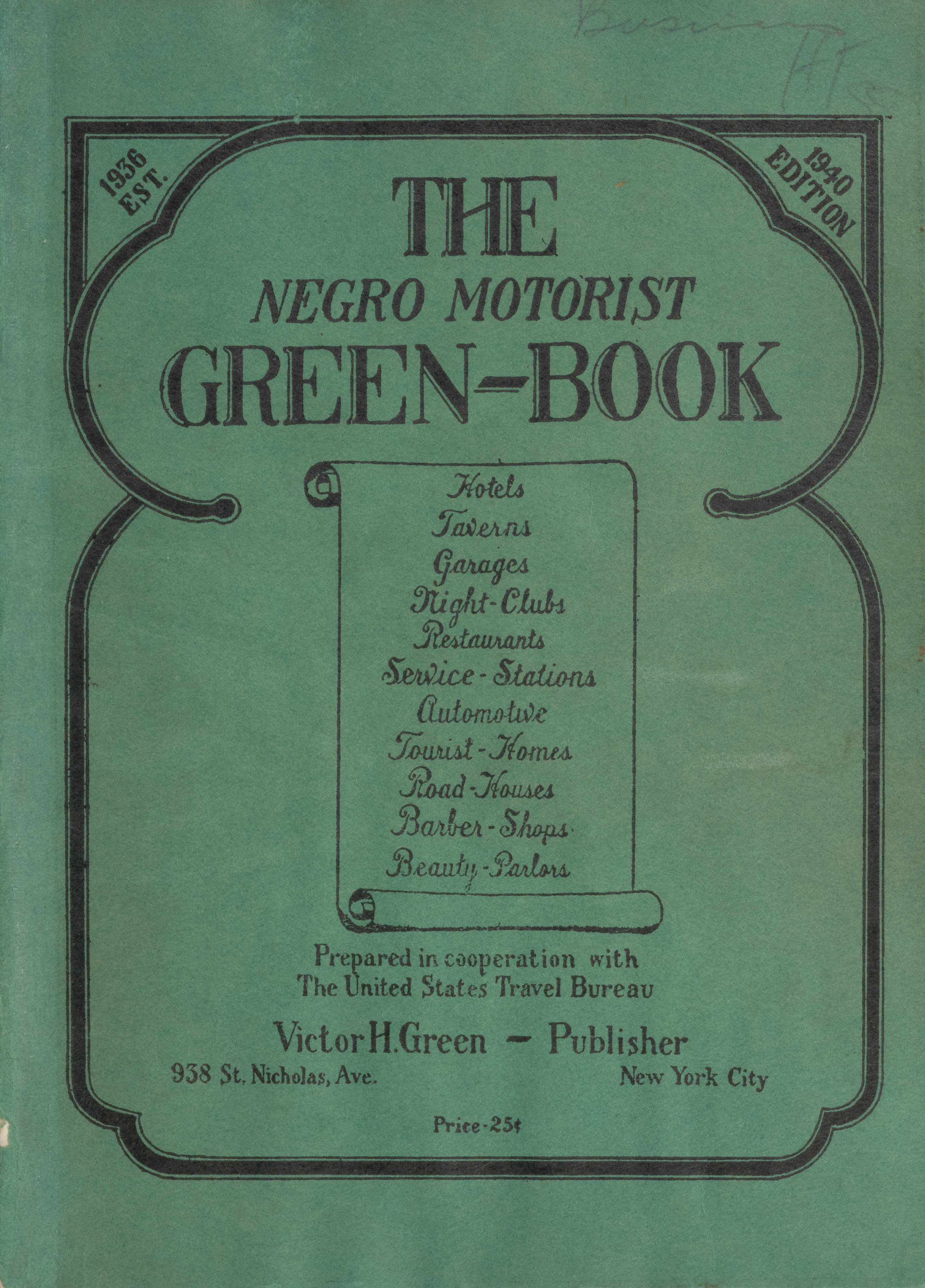
When people hear about the The Negro Motorist Green Book, they often think of it as something distant. They associate it with old photographs and museum exhibits, a symbol of a painful but finished chapter in American history. But for my family, it was not history. It was part of our lives. We used the Green Book well into the 1970s. Every year, we traveled from New York to Florida for family reunions, and that book was essential. It told us where we could eat, where we could sleep, and where we could safely stop for gas. Our trips were not planned around convenience or comfort. They were planned around safety and survival, around knowing which places would accept us and which ones would not.
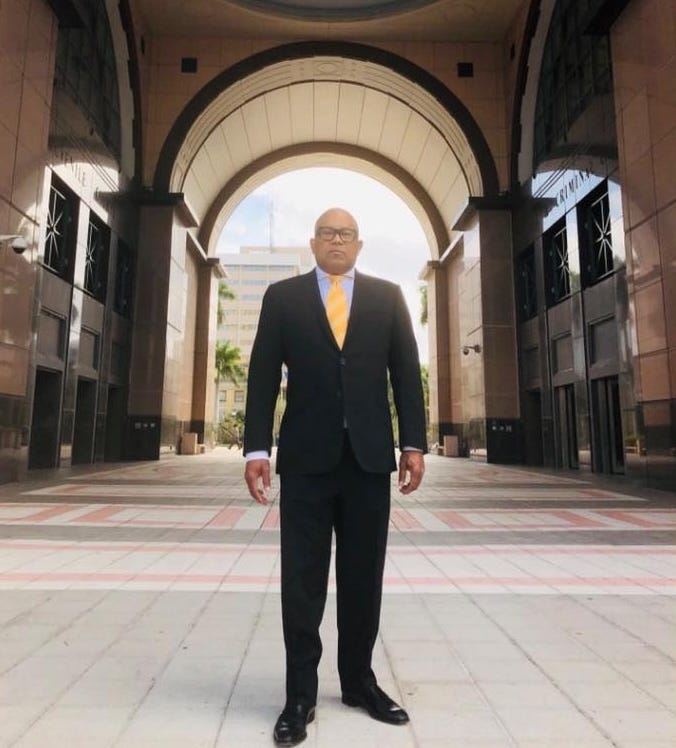
In 1993, I walked into a law firm in Palm Beach County not just as a professional, but as a first. I became the first Black partner in an all white firm. That moment should have felt like pure achievement. It should have felt like proof of progress. But underneath that accomplishment was a quiet and unsettling realization. If Jim Crow had truly ended decades earlier, why did it take until 1993 for this moment to happen? Why was I still the exception rather than the norm? Being the first is not just an honor. It is evidence that something lasted far longer than we are comfortable admitting.
What these experiences reveal is not a series of isolated moments. They reveal a pattern. The end of Jim Crow laws did not mean the end of Jim Crow itself. The laws changed, but the customs, the barriers, and the unspoken rules remained. Segregation became less visible, but it did not disappear. It continued to show up in hiring, in housing, in access, and in the reality of who still has to be the first. It showed up in the need for a Green Book long after it should have been unnecessary. It showed up in athletes needing a place to stay because official accommodations were still closed to them,
It is easy to think of history as something that is finished, something that has been resolved and left behind. But the truth is that its effects are still present in everyday life, often in ways that go unnoticed. The idea that Jim Crow is over makes it harder to recognize how its legacy continues. It allows people to dismiss inequality as coincidence rather than consequence. It turns lived experiences into exceptions when they are actually evidence of something much larger.
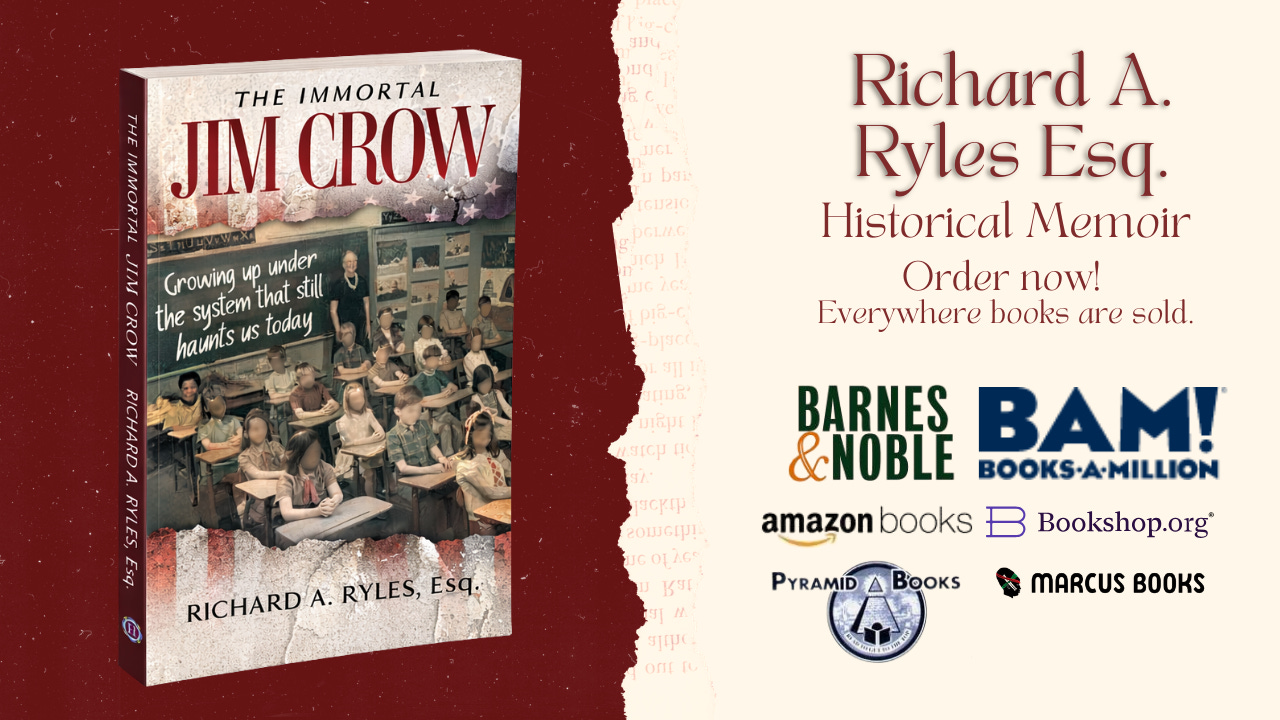
Available for purchase:
Pyramid Books | Marcus Books | Bookshop.org | Barnes & Nobel | Amazon
That is why I wrote The Immortal Jim Crow: Growing Up Under the System That Still Haunts Us Today. These stories are not just personal memories. They are part of a broader reality that has shaped generations. There are countless other stories that were never written into textbooks, experiences that challenge the belief that progress is complete. This book connects the past to the present and shows how what we call history continues to shape opportunity, access, and daily life.
If we are going to move forward honestly, we have to understand what never truly ended. That begins with listening, learning, and confronting the truth that Jim Crow did not die. It adapted, and it still impacts the world we live in today.