5 Nonfiction Books by Black Authors That Read Like Fiction
Richard A. Ryles

Those of us who gravitate toward nonfiction typically do so for insight and information, but the most compelling works in the genre do more than present facts. They immerse readers in scenes, tension, and lived experience. The following five books are grounded in rigorous research, yet unfold with the pacing, character development, and drama of a novel.
1. The Black Jacobins by C. L. R. James
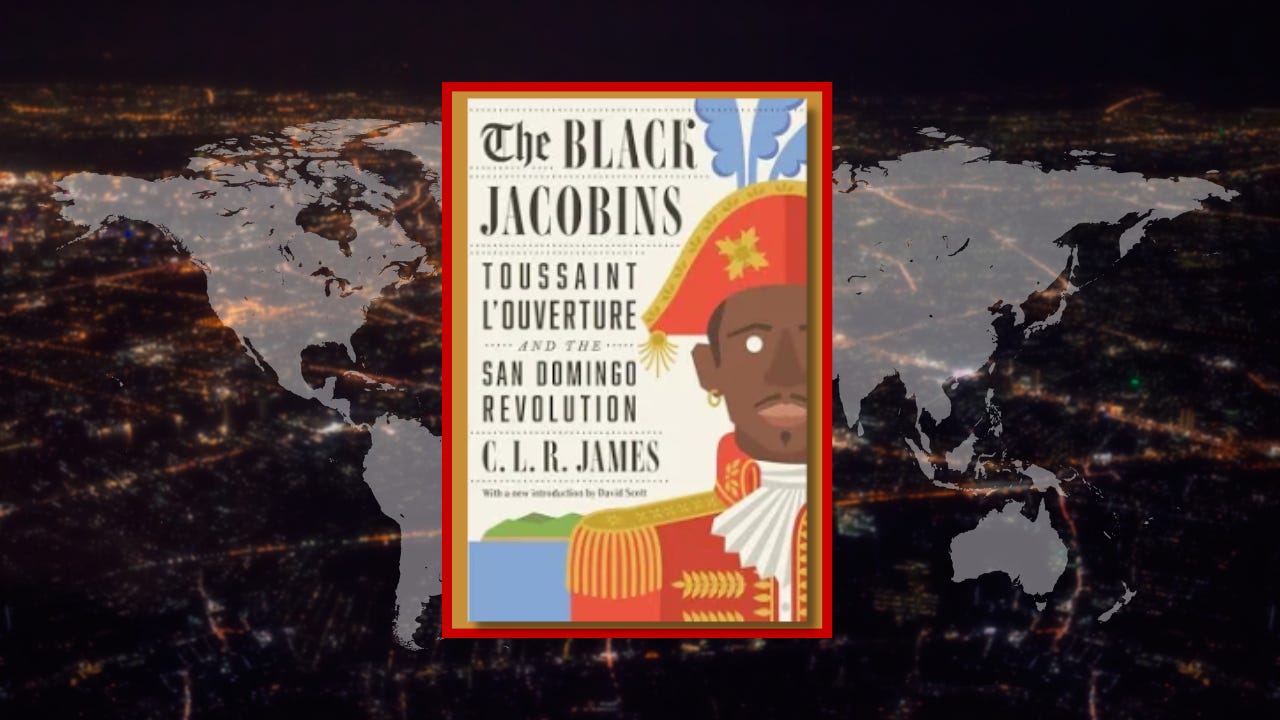
A revolutionary classic, The Black Jacobins tells the story of the Haitian Revolution from beginning to end, reading with the sweep and intensity of a war epic. Readers are placed alongside Toussaint Louverture, experiencing the strategy, betrayals, and seismic shifts of power as enslaved Africans defeated one of the most formidable empires in the world.
Rather than presenting a dry chronology, James delivers movement, tension, and revolution unfolding in real time. It remains one of the most powerful and cinematic works ever written on Haiti.
2. Black AF History by Michael Harriot
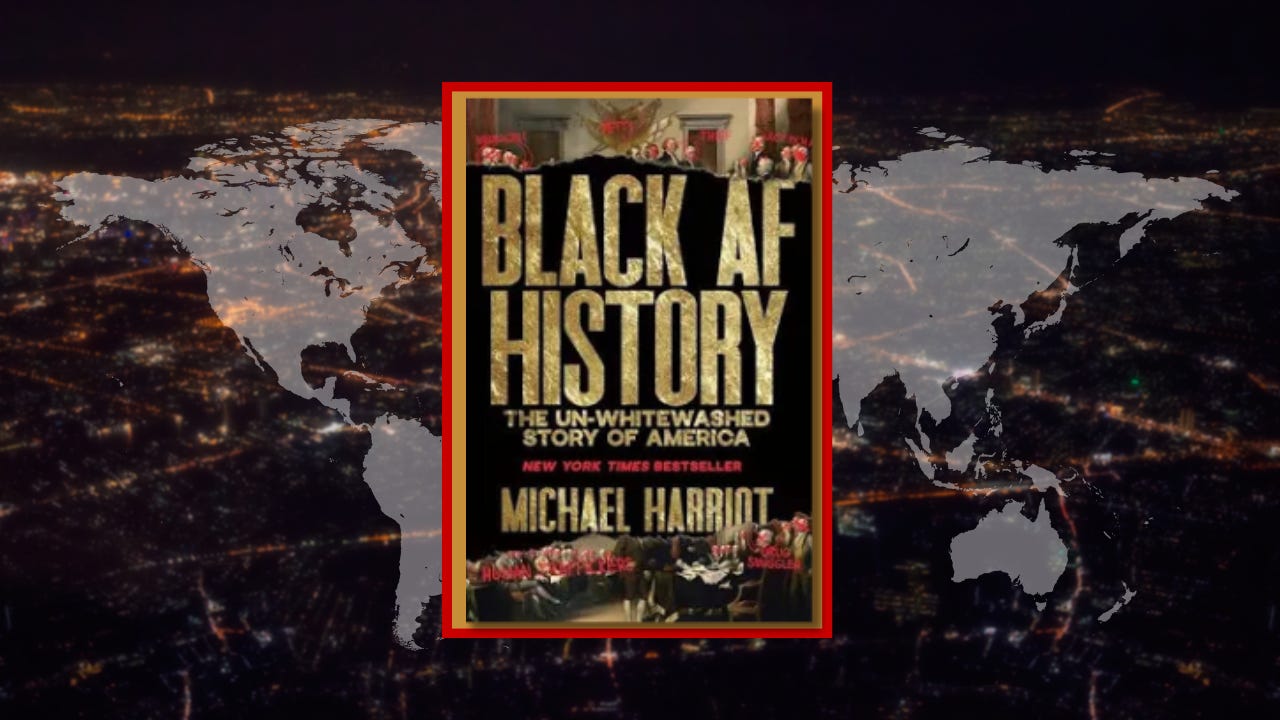
Sharp, humorous, and unapologetically incisive, Black AF History reexamines the terms, events, and narratives commonly taught in American classrooms. It offers perspectives on African American history that are often absent from traditional curricula.
Harriot blends wit with meticulous sourcing. The result is a work that is entertaining, uncomfortable at times, and thoroughly documented. It reads like an extended story rather than a textbook, making complex historical realities accessible without sacrificing rigor.
3. How the Word Is Passed by Clint Smith
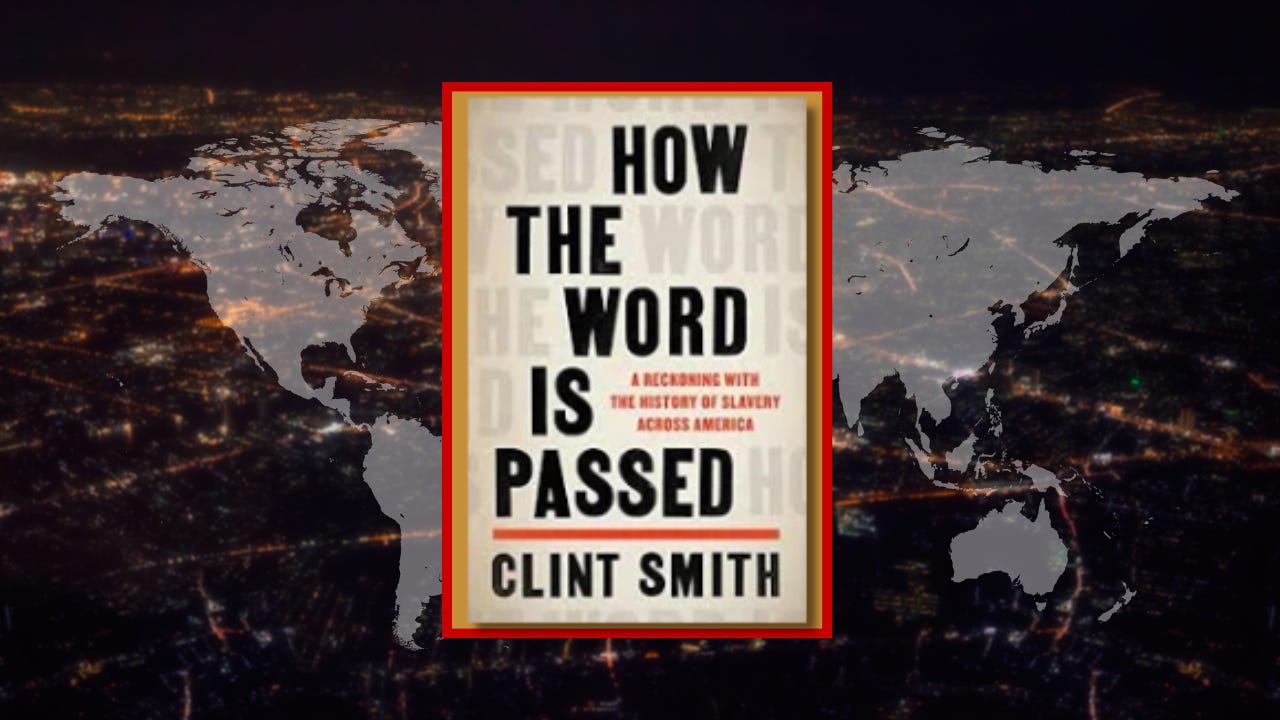
Structured as a journey across the United States, How the Word Is Passed explores how the nation remembers—and chooses to forget—its history of slavery. Smith visits sites that are not always publicly understood as plantations, including Louisiana State Penitentiary, and examines how history is framed and presented.
Each chapter unfolds like a scene in a documentary film. Readers stand alongside tour guides, visitors, and historians, witnessing how memory is curated. Deeply researched and intentional, the book bridges narrative immersion with scholarly depth.
4. Maynard Jackson: The Life and Times of Atlanta’s First Black Mayor by Robert E. Holmes
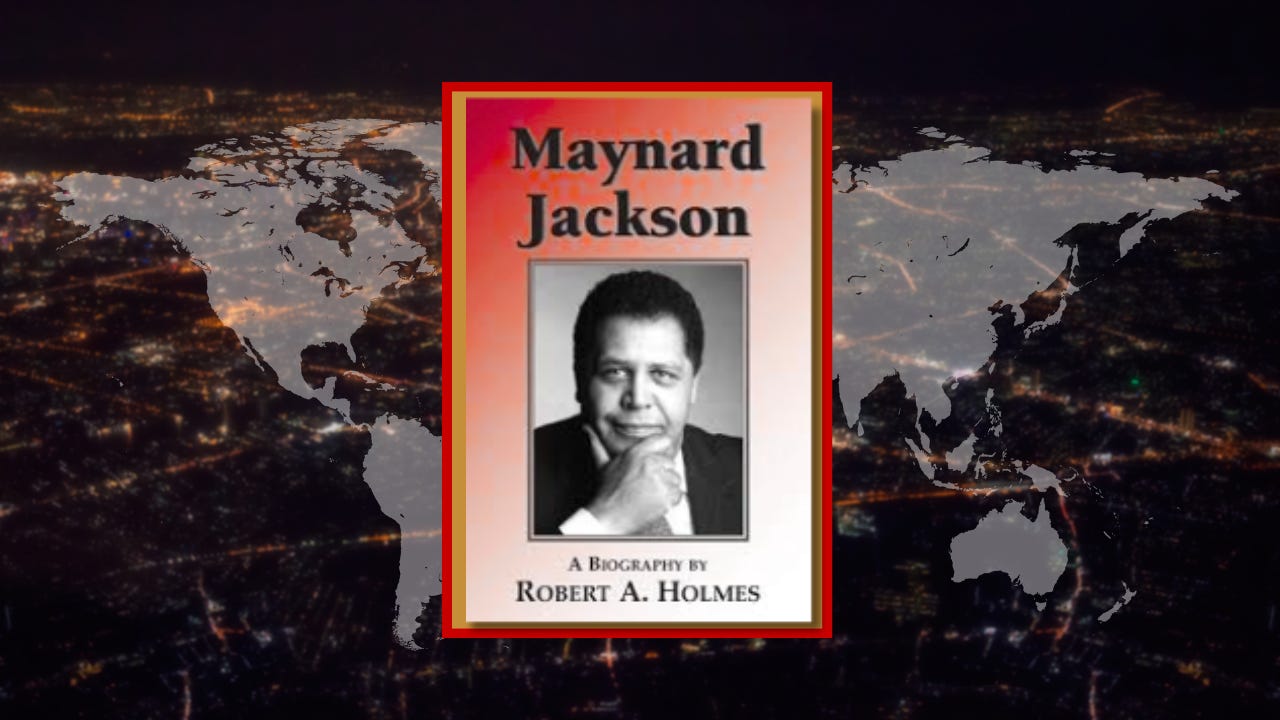
This biography traces the life of Maynard Jackson from child prodigy to transformative mayor of Atlanta. The narrative reveals not only personal development but also political strategy and discipline.
Moments surrounding the expansion of what is now Hartsfield-Jackson Atlanta International Airport, and the prioritization of Black participation in city contracts, unfold with the intensity of political drama. The stakes are high, the consequences real, and the impact enduring. For readers interested in leadership and policy in action, this work reads with the propulsion of a feature film.
5. An American Family: The Shakurs and the Nation They Created by Santi Elijah Holley
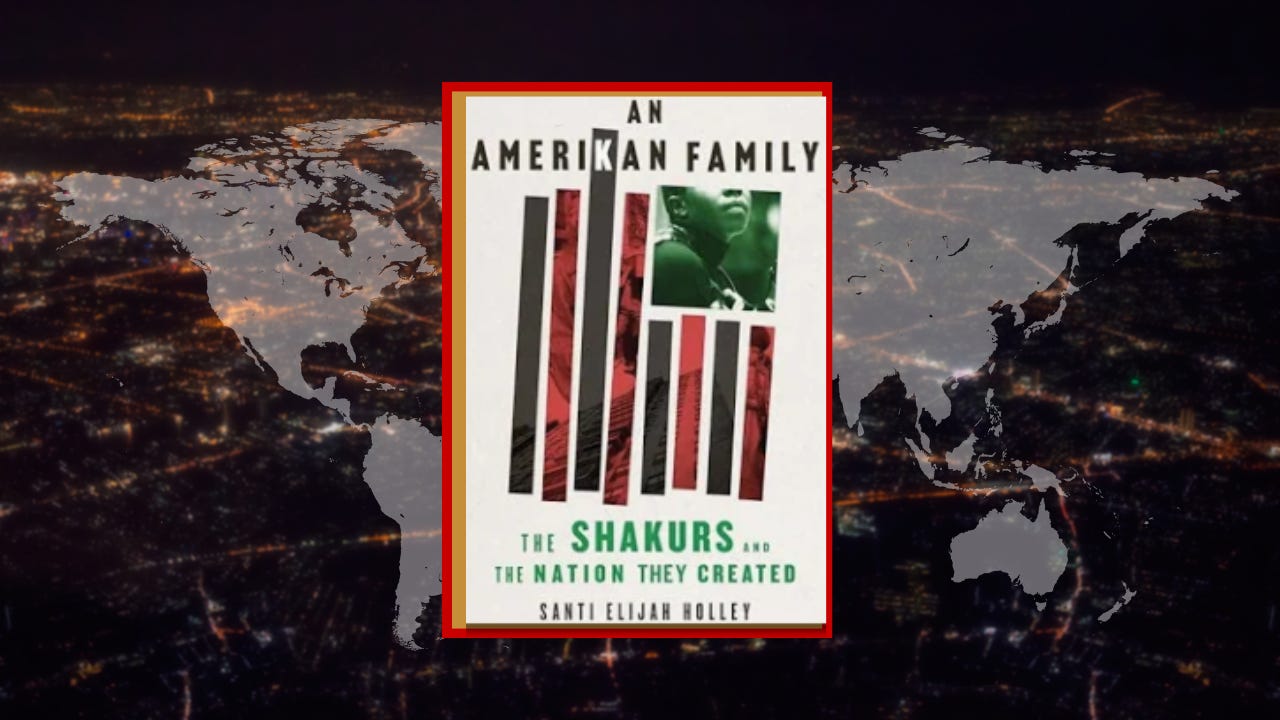
This sweeping account offers a 360-degree understanding of the Black Power and Pan-Africanist movements in the United States. Centered on the Shakur family, it traces the ideological roots, organizing strategies, and global vision that shaped a generation.
Connections to figures such as Marcus Garvey emerge as the narrative situates the family within broader currents of political thought and activism. The book humanizes its subjects, provides essential historical context, and explores the environment that produced revolutionaries. Moving across generations, movements, and moments of conflict, it reads like an intergenerational epic.
Article written by Richard A. Ryles.
Authors Note
I’m an avid nonfiction reader, a history buff, and a passionate political commentator. Here on The Ryles Report SubStack, you’ll find news updates, articles, and book recommendations that provide historical context to the madness unfolding in the world around us today.
A day you don’t learn something new is a wasted day and here at the Ryles Report, we don’t waste days.